



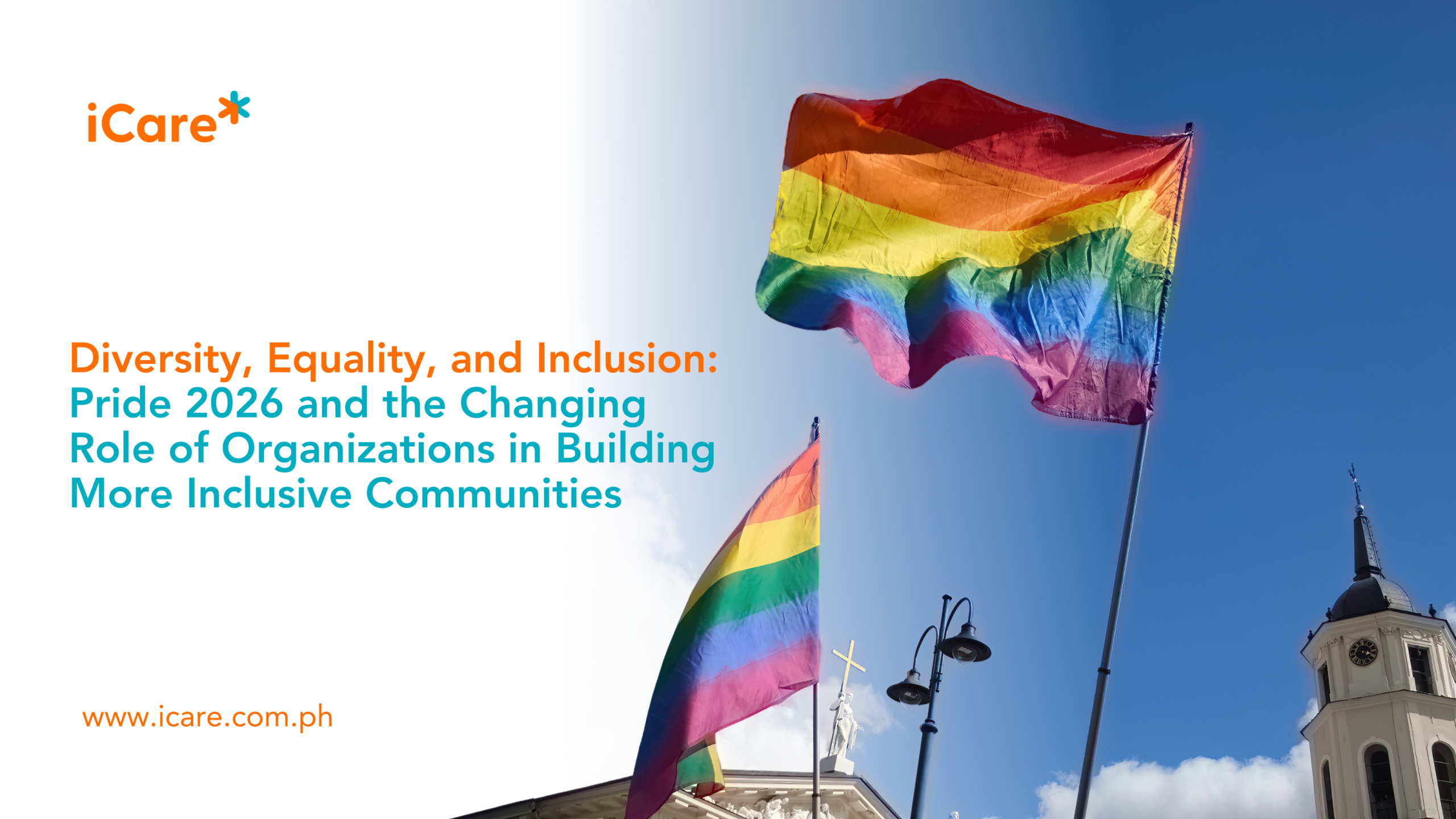
June 29, 2026 Diversity, Equality, and Inclusion: Pride 2026 and the Changing Role of Organizations in Building More Inclusive Communities
When communities gathered for Pride March 2026, the event represented more than a public celebration of identity and visibility. It reflected a continuing global conversation about dignity, equal opportunity, and the role of institutions in creating environments where people from different backgrounds can participate with respect and recognition.
Among the organizations that supported the occasion was iCare HMO Philippines, which co-presented the Pride March 2026 with K-Pop Stans 4 Good Governance (KS4GG). The collaboration placed attention on a wider discussion that extends beyond a single event: how organizations, communities, and workplaces can contribute to conversations around inclusion, representation, and social responsibility.
For members of the LGBTQIA+ community, Pride remains both a celebration and a reminder of ongoing conversations around equality. While Pride events provide visibility and community, they also highlight broader issues involving access, representation, and the experiences of individuals navigating workplaces, public institutions, and essential services.
This discussion has become increasingly relevant in the corporate world. Companies are being evaluated not only by financial performance but also by how they approach people, culture, and governance. The principles behind Diversity, Equality, and Inclusion have become part of a broader conversation about responsible leadership and organizational accountability.
Within this context, “Diversity, Equality and Inclusion at iCare HMO” reflects a discussion that many organizations are now examining: how workplace values connect with everyday practices. The concept of DEI is not limited to representation alone. It also considers whether systems, policies, and organizational cultures create conditions where individuals are treated fairly and have meaningful opportunities to participate.
For businesses, this conversation intersects with corporate governance. Modern governance increasingly involves questions about how organizations manage relationships with employees, customers, and communities. It includes considerations around fairness, transparency, workplace culture, and the responsibility of institutions to understand the needs of the people they serve.
Healthcare provides an important lens for understanding inclusion because access to care is deeply connected to trust. Healthcare experiences are shaped not only by hospitals, clinics, and medical services, but also by communication, understanding, and the quality of interactions between individuals and healthcare professionals.
For the LGBTQIA+ community, healthcare inclusion remains an important area of discussion. Concerns around access, representation, and experiences within healthcare environments continue to influence how individuals engage with health systems. Addressing these issues requires awareness from healthcare providers, employers, and communities.
Gender sensitivity is one aspect of building more inclusive environments. In healthcare and workplaces, gender sensitivity involves recognizing that individuals may have different experiences, challenges, and needs. It encourages organizations to consider how language, policies, and services affect diverse groups of people.
The conversation around inclusion is also influencing how companies approach employee benefits and workplace health strategies. Employers, from large employers and leading companies to SMEs and small and medium enterprises, increasingly consider healthcare benefits as part of broader workforce wellbeing efforts.
Health insurance and managed healthcare programs are often discussed in relation to healthcare access, preventive care, and employee experience. Organizations evaluating healthcare partnerships consider several factors, including affordability, customer service, provider network coverage, and access to hospitals and clinics. These considerations have become more significant as businesses respond to changing workforce expectations and challenges such as medical inflation.
For organizations in the Philippines, the relationship between healthcare and workplace culture continues to evolve. Employees increasingly look at the overall experience offered by employers, including how organizations support wellbeing and create environments where people feel respected.
iCare’s participation in Pride March 2026 reflects the growing involvement of organizations in broader social conversations. Corporate participation in advocacy-related events, however, represents only one part of a larger discussion. Sustainable inclusion depends on how principles are reflected through policies, leadership decisions, workplace practices, and daily interactions.
The role of organizations is changing as employees, customers, and communities place greater importance on values and accountability. Inclusion is no longer viewed only as a cultural initiative but as part of how institutions understand their responsibilities in society.
Pride March 2026 serves as a reminder that Diversity, Equality, and Inclusion is an ongoing conversation. Building more inclusive workplaces and communities requires continuous reflection, collaboration, and commitment from organizations across sectors. The future of workplaces will be shaped by how effectively institutions create environments where people can contribute, access opportunities, and experience respect regardless of identity or background.
