May 22, 2026 Philippine HMO Industry Grows Nearly 20% in Q1 2026 Amid Rising Demand for Healthcare Coverage
The Philippine HMO industry sustained strong growth in the first quarter of 2026, reflecting rising demand for healthcare coverage among employers, families and businesses amid increasing medical costs and evolving workforce expectations.
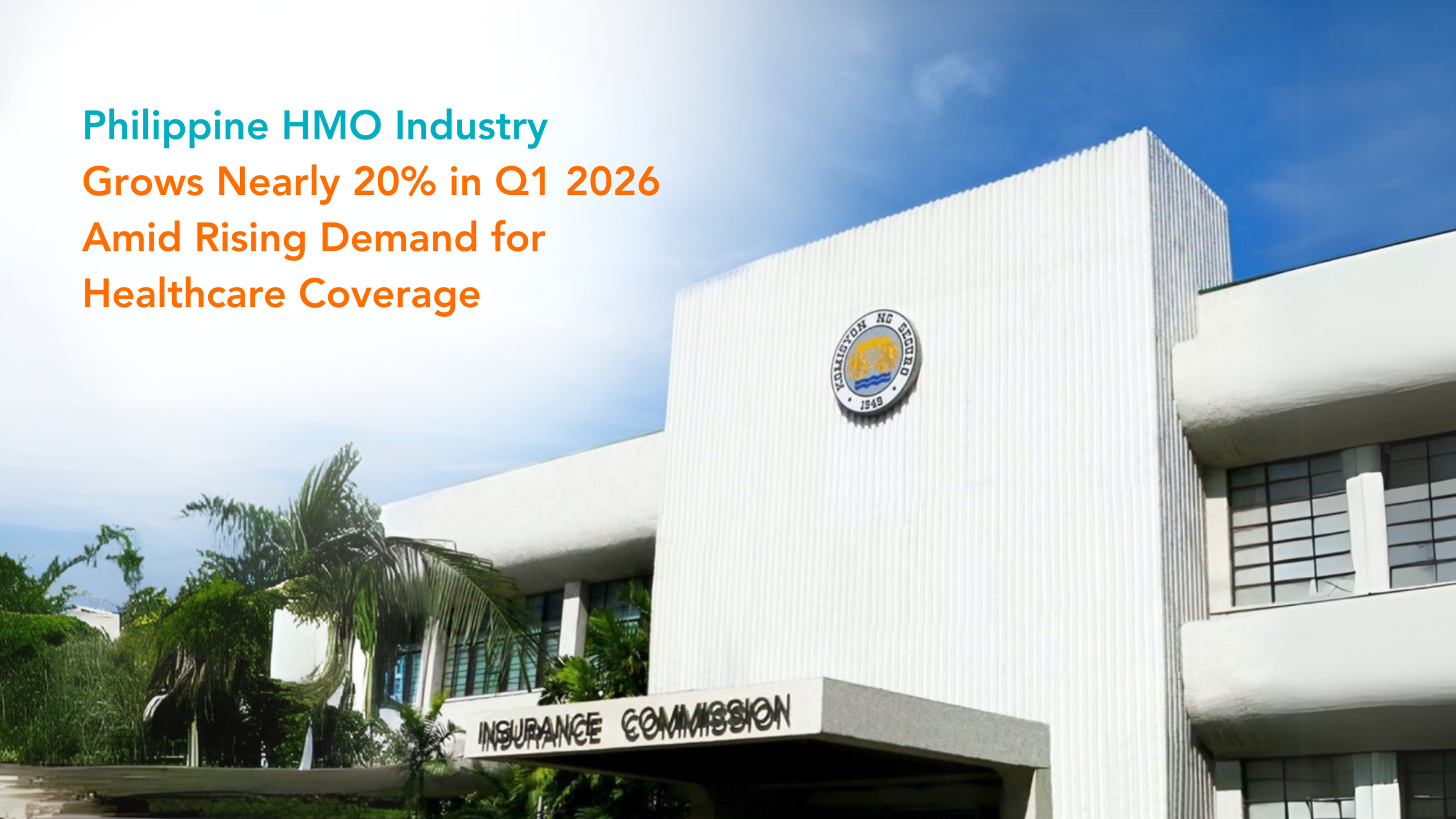
Preliminary data released by the Insurance Commission showed that the country’s health maintenance organizations posted robust financial results during the period. Industry net income grew by more than 40 percent year on year, rising from PHP579.4 million in the first quarter of 2025 to PHP818.7 million in the same period this year. Total industry assets likewise increased to PHP101.44 billion.
Membership fees collected by HMOs reached PHP26.83 billion, up nearly 20 percent from the previous year, while healthcare benefits paid climbed to PHP20.15 billion. The figures underscored both the growing reliance on HMO coverage and the continued expansion of healthcare utilization across the Philippines.
“The continued financial strength of HMOs reflects their resilience and readiness to consistently fulfill their obligations to members. At the same time, the continued increase in membership fees shows sustained reliance and continued coverage under HMO plans,” Insurance Commissioner Regalado said.
Industry leaders said the sector’s continued expansion has also been supported by stronger governance and financial oversight under the Insurance Commission.
In 2015, through Executive Order No. 192 signed by then President Benigno S. Aquino III, the regulation and supervision of HMOs were formally transferred from the Department of Health to the Insurance Commission. The move was designed to strengthen regulatory oversight, improve financial supervision and enhance consumer protection within the industry. Readers seeking a deeper understanding of the legal framework governing HMOs may refer to “HMOs Explained: Legal Framework and What Every Member Needs to Know – iCare Top Affordable HMO Philippines”
The transfer recognized the similarities between HMOs, insurance companies and pre-need firms, all of which collect contributions or premiums in exchange for future contractual benefits. Under the Insurance Commission, HMOs became subject to stricter standards involving capitalization, reserve requirements, solvency monitoring, compliance and corporate governance.
Since then, the Insurance Commission has played an increasingly important role in promoting stability and public trust within the healthcare financing sector. As an attached agency of the Department of Finance, the regulator has emphasized financial discipline, operational transparency and consumer protection while helping ensure that HMOs remain capable of meeting their obligations to members nationwide.
The industry’s growth also reflects a broader shift in how healthcare is viewed across the Philippines.
What was once considered primarily a corporate benefit is now widely regarded as an essential component of financial security and workforce sustainability. Companies across industries such as IT-BPM, BPO, FMCG, hospitality, retail, real estate and professional services are increasingly prioritizing healthcare coverage as part of employee retention and organizational resilience strategies.
The continued rise in medical inflation has further accelerated demand for structured healthcare protection among both employers and individuals. Businesses are seeking trusted HMO partners capable of balancing affordability, accessibility and service quality while maintaining long-term sustainability.
Among the companies posting strong results in the first quarter was iCare. Since 2023, iCare has pursued a broader transformation anchored on what it describes as a new corporate DNA combining Singaporean efficiency with Filipino tender loving care.
The approach focuses on operational discipline, digital innovation and responsive customer service while maintaining a people-centered approach to healthcare delivery. The company continues to strengthen partnerships with hospitals, clinics and healthcare professionals nationwide while expanding access to affordable healthcare solutions for individuals, families, SMEs and leading companies across the Philippines.
Healthcare experts noted that the role of HMOs has evolved significantly over the past decade. Beyond serving as supplementary employee benefits, healthcare coverage is now considered a key factor in talent attraction, employee wellbeing and corporate competitiveness. For HR leaders and top employer brands, the quality and reliability of healthcare coverage have become increasingly important in building workforce confidence and long-term organizational stability.
Despite rising healthcare utilization and ongoing cost pressures, the Insurance Commission’s latest figures suggest that the Philippine HMO industry remains financially stable and positioned for sustained growth.
For providers such as iCare, the challenge moving forward will be to continue balancing growth, affordability and service excellence while responding to the changing healthcare needs of Filipinos nationwide.
As healthcare moves higher on the priorities of both employers and families, the Philippine HMO industry appears poised to play an even more central role in the country’s economic and social development in the years ahead.
