



June 4, 2026 Building the Future of CX Through Better Health
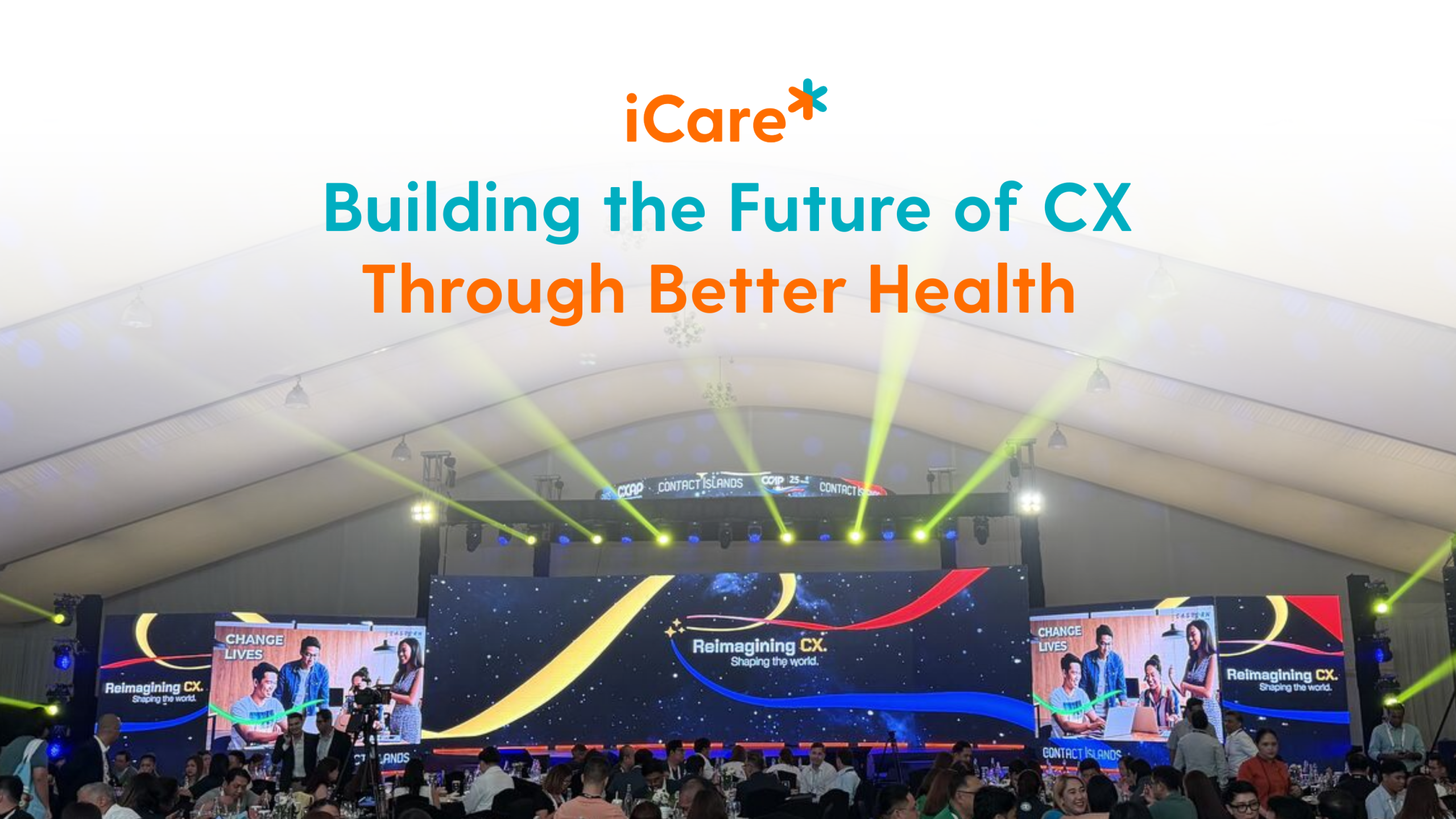
From May 26 to 28, 2026, business leaders, technology executives, and customer experience professionals gathered at Shangri-La Mactan in Cebu for Contact Islands 2026, the flagship annual conference of the Customer Experience Association of the Philippines (CXAP), formerly known as the Contact Center Association of the Philippines. The conference arrived at a pivotal moment for an industry undergoing rapid transformation, where discussions increasingly centered on artificial intelligence, workforce evolution, operational efficiency, and the future of customer engagement.
Beneath these conversations, however, was a more fundamental question confronting the industry: what will ultimately determine which organizations succeed in the next chapter of customer experience?
For an industry built around people, the answer may be simpler than it appears.
The Philippine customer experience industry remains one of the country’s most important economic pillars. Generating billions of dollars in annual revenues and employing millions of Filipinos directly and indirectly, the sector continues to position the country among the world’s leading destinations for customer experience and business process services. Over the years, the industry has repeatedly demonstrated resilience through economic disruptions, changing market conditions, and technological shifts while continuing to expand its contribution to employment generation and national economic growth.
Despite this growth, the challenges confronting organizations today have become significantly more complex. Companies are no longer simply managing large workforces. They are simultaneously navigating rising employee expectations, increasing healthcare costs, growing competition for talent, persistent concerns regarding attrition, and workforce transformation driven by rapidly evolving technologies.
These pressures have placed human capital at the center of business strategy.
For many organizations operating within the customer experience sector, attracting talent remains only one part of the equation. Retaining experienced employees, maintaining productivity, reducing burnout, supporting employee wellbeing, and creating sustainable workforce models have emerged as equally important priorities. As customer experience increasingly becomes a competitive differentiator, employee experience has become more directly connected to organizational performance.
The connection between workforce health and business performance is becoming increasingly difficult to ignore.
Organizations recognize that healthcare programs influence productivity, workforce engagement, retention rates, absenteeism, and organizational resilience. However, delivering meaningful healthcare benefits presents significant challenges of its own. Medical inflation continues to place pressure on benefit costs while employees simultaneously expect broader coverage, greater accessibility, and more convenient healthcare experiences.
This creates a difficult balancing act for employers seeking both growth and sustainability.
Organizations increasingly require healthcare partners capable of delivering accessible healthcare solutions without creating unsustainable long-term financial burdens. Affordability alone is no longer sufficient. Employers seek healthcare solutions that combine sustainable pricing structures, broad provider access, digital capabilities, and the flexibility required to support growing and evolving workforces.
These considerations formed part of the broader conversations during Contact Islands 2026, where iCare participated as a Gold Sponsor alongside industry stakeholders shaping the future of customer experience. The event itself symbolized a broader transition within the industry as the association formally introduced its new identity as the Customer Experience Association of the Philippines, reflecting a shift from traditional contact center thinking toward a wider customer experience ecosystem.
For more than three decades, iCare has worked with organizations ranging from small and medium enterprises to large corporations across multiple industries, including companies operating within the customer experience ecosystem. The company’s approach reflects an understanding that healthcare solutions must create value not only for employees, but also for employers tasked with balancing workforce investment and financial sustainability.
Through affordable healthcare solutions, extensive nationwide access to hospitals and clinics, digital innovations, and sustainable pricing strategies, iCare aims to help organizations build healthcare programs that remain viable in the long term while supporting workforce wellbeing and business growth.
This philosophy aligns closely with iCare’s mission of enabling Filipinos to say yes to better health.
As the customer experience industry enters a new phase defined by artificial intelligence, digital transformation, and changing workforce expectations, organizations may increasingly discover that building the future of customer experience requires more than investing in technology alone. Building stronger organizations will ultimately require building healthier, more resilient workforces capable of sustaining growth for years to come.
In an industry where people remain at the center of every interaction, investing in better health may ultimately become one of the most important investments organizations can make.
