


April 22, 2026 A Simple Shift That Helps Save the World: Go Digital with Your iCare Card
There is a growing consensus that saving the planet will require sweeping systemic change. Governments must act. Industries must evolve. Policies must shift. Yet, amid these large-scale solutions, one truth remains often overlooked. Meaningful change is also built on small, everyday decisions.
One of those decisions may be sitting quietly in your wallet.
Plastic has long been embedded in modern life, prized for its durability and convenience. But that same durability is what makes it one of the most persistent environmental threats today. Globally, more than 400 million tons of plastic are produced each year, yet less than 10 percent are recycled. The rest accumulates on landfills, rivers, and oceans, where it can take centuries to break down.
The Philippines faces this challenge acutely. The country generates an estimated 2.7 million tons of plastic waste annually, with a significant portion finding its way into marine ecosystems. It is a reality that has placed the Philippines among the world’s largest contributors to ocean plastic pollution, a distinction that underscores the urgency of both systemic reform and individual responsibility.
Against this backdrop, even the most routine objects deserve reconsideration. Among them is the plastic health card, a standard fixture in wallets across the country. While small in size, each card represents a chain of production, distribution, and eventual disposal that contributes to a much larger environmental burden.
This is where digital transformation begins to matter in a more profound way.
Since 2023, when iCare came under new leadership backed by Singaporean healthcare expertise, the organization has been deliberately accelerating its shift toward digital innovation. The direction has been clear from the outset. Modern healthcare must be more accessible, more efficient, and more sustainable. The push toward digital health cards is part of this broader transformation.
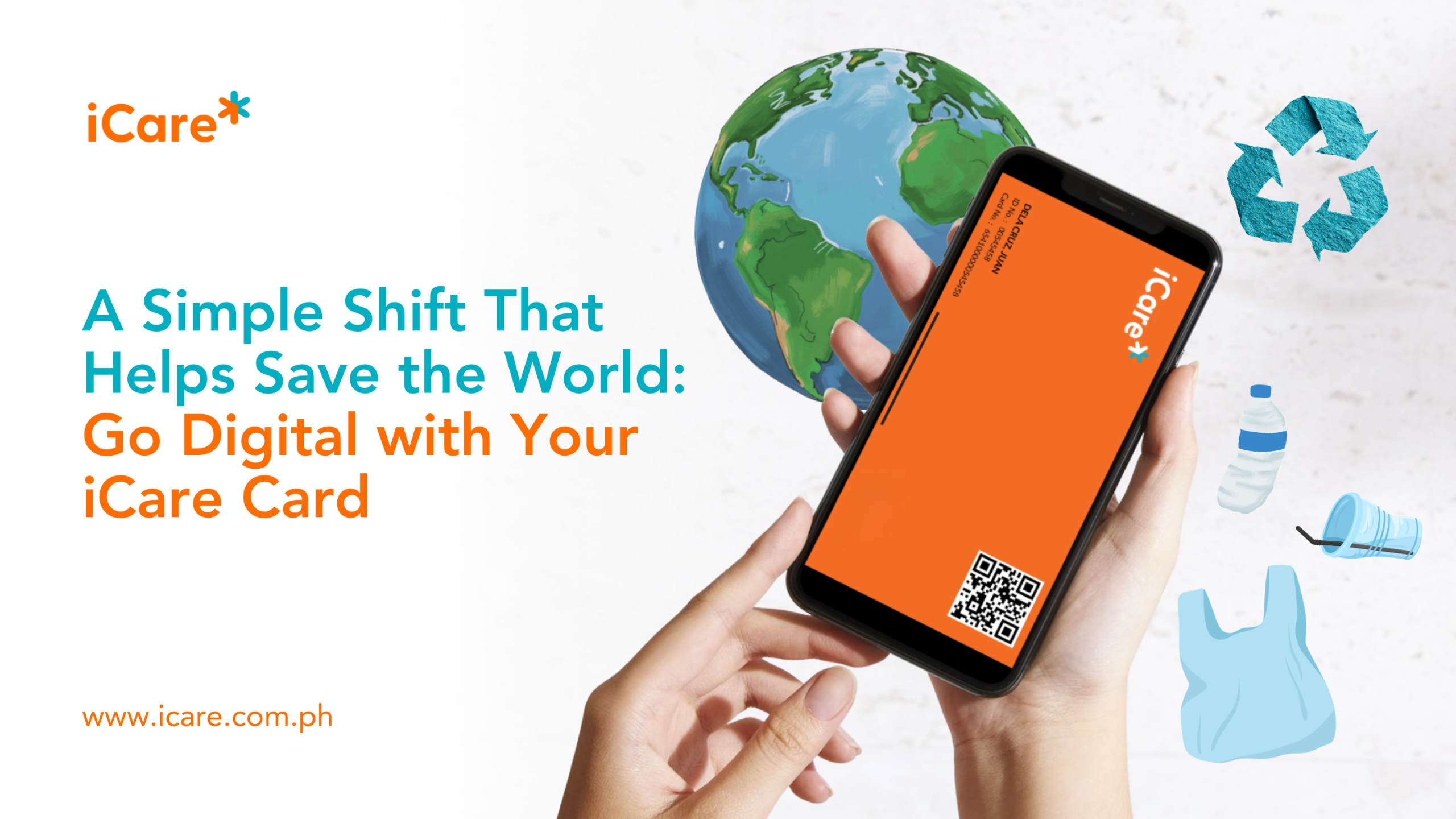
Today, iCare has made digital health cards readily available through the iCare Mobile App. Members can now access their cards directly from their smartphones, eliminating the need for a physical plastic version.
At first glance, the shift appears to be about convenience. A digital card cannot be misplaced, forgotten, or damaged. It allows for faster verification at hospitals and clinics and ensures that member information is always up to date. It aligns seamlessly with a generation that already manages banking, transportation, and communication through mobile devices.
But beneath that convenience lies a deeper impact.
Every digital card issued in place of a plastic one represents a reduction in material use, energy consumption, and logistical emissions. It is a quiet but tangible step toward reducing waste at scale. When multiplied across thousands of members, the environmental benefit becomes impossible to ignore.
This approach also reflects a broader commitment to Environmental, Social, and Governance principles. Organizations today are expected to look beyond profit and contribute meaningfully to sustainable development. By promoting digital adoption, iCare supports more responsible consumption patterns and helps reduce the environmental footprint of healthcare services.
The initiative aligns closely with the United Nations Sustainable Development Goals, particularly those centered on good health and well-being, responsible consumption and production, and climate action. It reinforces the idea that healthcare providers are not only custodians of individual well-being but also stakeholders in the health of the planet.
The larger question, however, is not whether digital alternatives exist. It is whether individuals are willing to embrace them.
The challenge of plastic pollution can feel overwhelming precisely because it is so widespread. Yet, this is also what makes individual action powerful. When a single decision is repeated across millions of people, it becomes a movement.
Choosing a digital iCare card is not a dramatic gesture. It does not require sacrifice or disruption. It is simply a matter of opting for a smarter, more sustainable alternative that is already available.
And that is precisely the point.
Saving the world will not happen through grand gestures alone. It will happen through choices that are easy to make, but meaningful when multiplied. It will happen when convenience and responsibility begin to align.
Sometimes, it starts with something as simple as taking one less piece of plastic out of your wallet.
